People assume the hardest part was the logistics — the schools, the mail, the four kids, the businesses that don't pause because we've sailed out of cell range. It wasn't. The hardest part was admitting out loud that I no longer wanted the version of success I'd spent a decade building, the one where the calendar ran the house and we ran to keep up with it. The seasons were always going to win. We just decided to stop arguing with them.
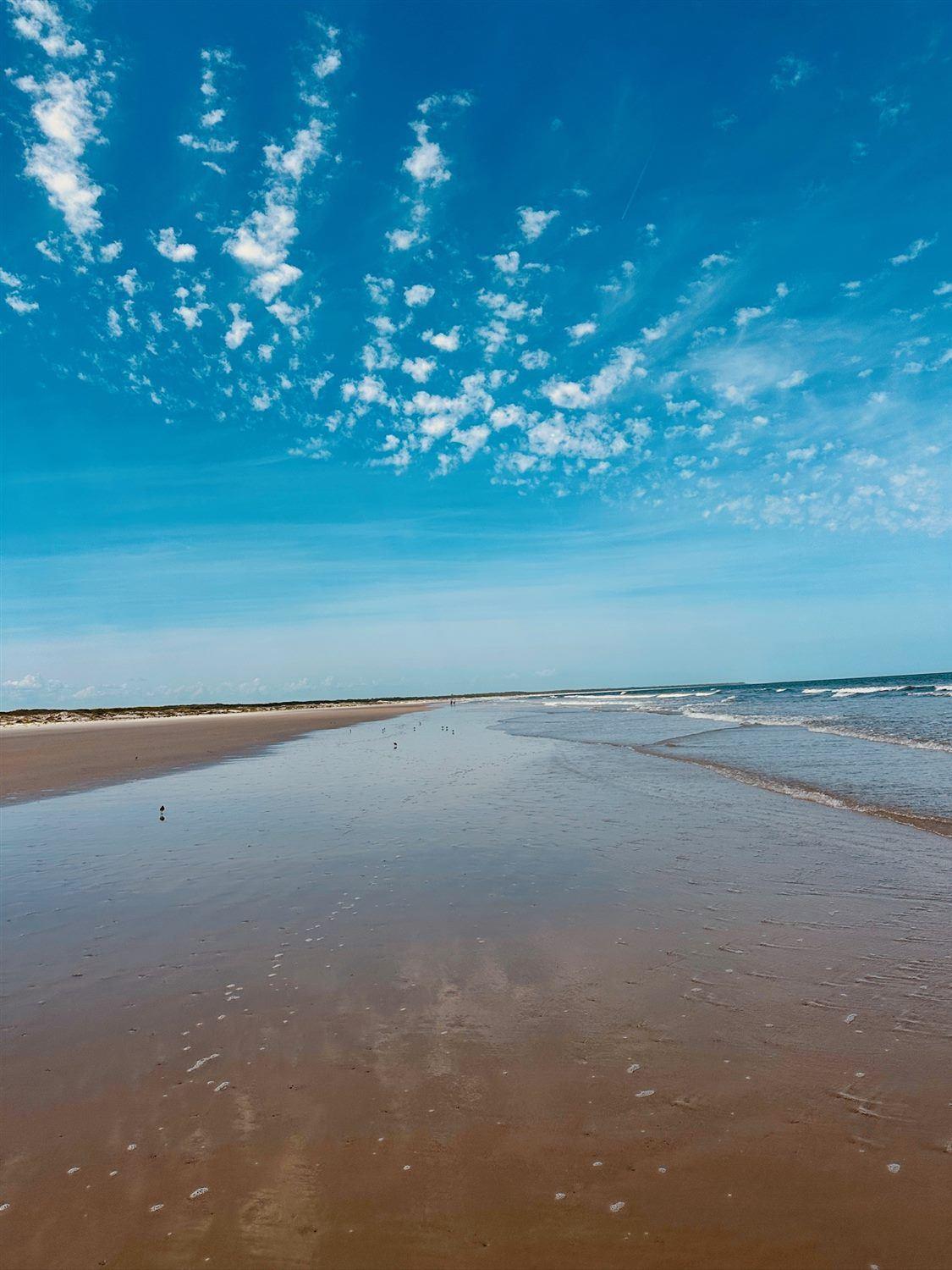
So now a year, for us, is not one place. It's three. We winter in the Pacific Northwest. We spend summers on the water. And the shoulder seasons — spring and fall, the soft ones — belong to Coastal Georgia. That's the whole structure. It sounds romantic written down. Living it is more ordinary than that, and better.
Letting place set the pace
For most of my working life I planned the year backward from obligations. School calendars, launch dates, the high season of a hospitality business that never really sleeps. Place was just the backdrop you happened to be standing in while you did the work. Somewhere along the way I had it exactly upside down.
The shift was simple to describe and surprisingly hard to do: let the place decide the pace, then fit the work to it instead of the other way around. Winter in the Northwest is dark and wet and tall with evergreens, so winter is for staying put — planning, slow mornings, the long view. Summer unties from the dock, so summer is for movement and horizon and the kind of attention you can only give when the only schedule is the tide. The coast in spring and fall is warm and unhurried, so that's where the table gets longer and the community gets tended.
We didn't downsize our life. We re-sequenced it. The same year, lived in a different order.
Once we named the rhythm, a lot of decisions made themselves. You stop asking whether you should take the trip; the season already answered. You stop negotiating with January to behave like June.
What it costs
I want to be honest, because the pretty pictures lie by omission. This life is not cheaper, not simpler, and not effortless. Three places means three sets of roots to keep alive, and roots are needy. There are the dull realities — addresses and logistics and the small heartbreak of always being a little bit absent from somewhere. When we're on the water, I miss the coast. On the coast, part of me is back in the woods.
It costs the businesses something too, or it would have if I'd let it. The only way three places works is if the work can travel and the team can carry it. That meant building Luxury Getaways and everything after it to run without me hovering — hiring people better than me, writing things down, trusting systems on the weeks I'm unreachable. The seasons made me a better operator by force. You cannot micromanage from an anchorage.
And it costs a certain kind of belonging — the easy, single-address kind, where everyone knows you're the family in the blue house and you never have to re-introduce yourselves. We trade that for something we have to earn again each year.
What it gives
Here is what we get back, and why we'd do it again. The children are learning, in their bones, that home is not a building. They can make a friend in a marina in a single afternoon and read a tide chart and sit through a long dark Northwest evening without needing to be entertained. They are, without ever being lectured about it, becoming people who can be at home anywhere.
The businesses got steadier, not shakier — a calendar with built-in seasons of planning and built-in seasons of distance turns out to be a gift to a company, not a threat. And the marriage got its mornings back. There is a version of me that only exists between anchorages, and my family knows her now.
People remember how you make them feel. It turns out you do too — and place is most of what you feel.
What the seasons really give is attention. When you only have a place for a third of the year, you stop taking its light for granted. You notice the woodsmoke, the salt marsh, the particular gold of an October afternoon in Georgia. Scarcity, used on purpose, becomes a kind of devotion.
Escaping versus choosing
I used to think people who lived like this were running from something. Sometimes I worried I was. So I'll say the part that took me years to understand: there is a wide difference between escaping and choosing, and they can look identical from the outside.
Escaping is motion away from a life you can't bear to sit still inside. Choosing is motion toward a life you've actually decided you want. The test is whether you'd keep the rhythm if everything were fine — if there were nothing to flee. We would. That's the whole answer. We didn't leave anything behind on the dock. We just stopped pretending the calendar knew better than the coastline, the forest, and the water about how a year should be spent.
That's why we chose to live by the seasons. Not to get away. To finally arrive — three times a year, on purpose, in the places that ask the most of us and give the most back.